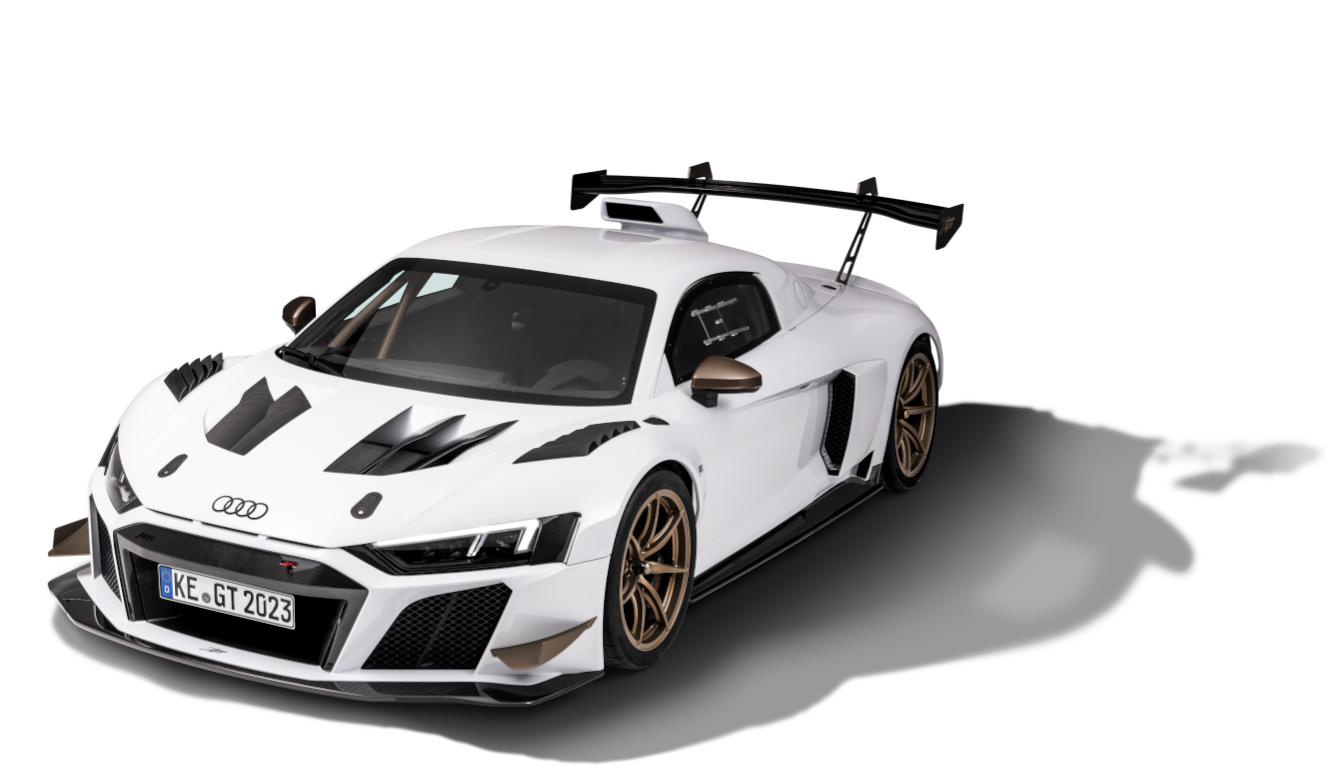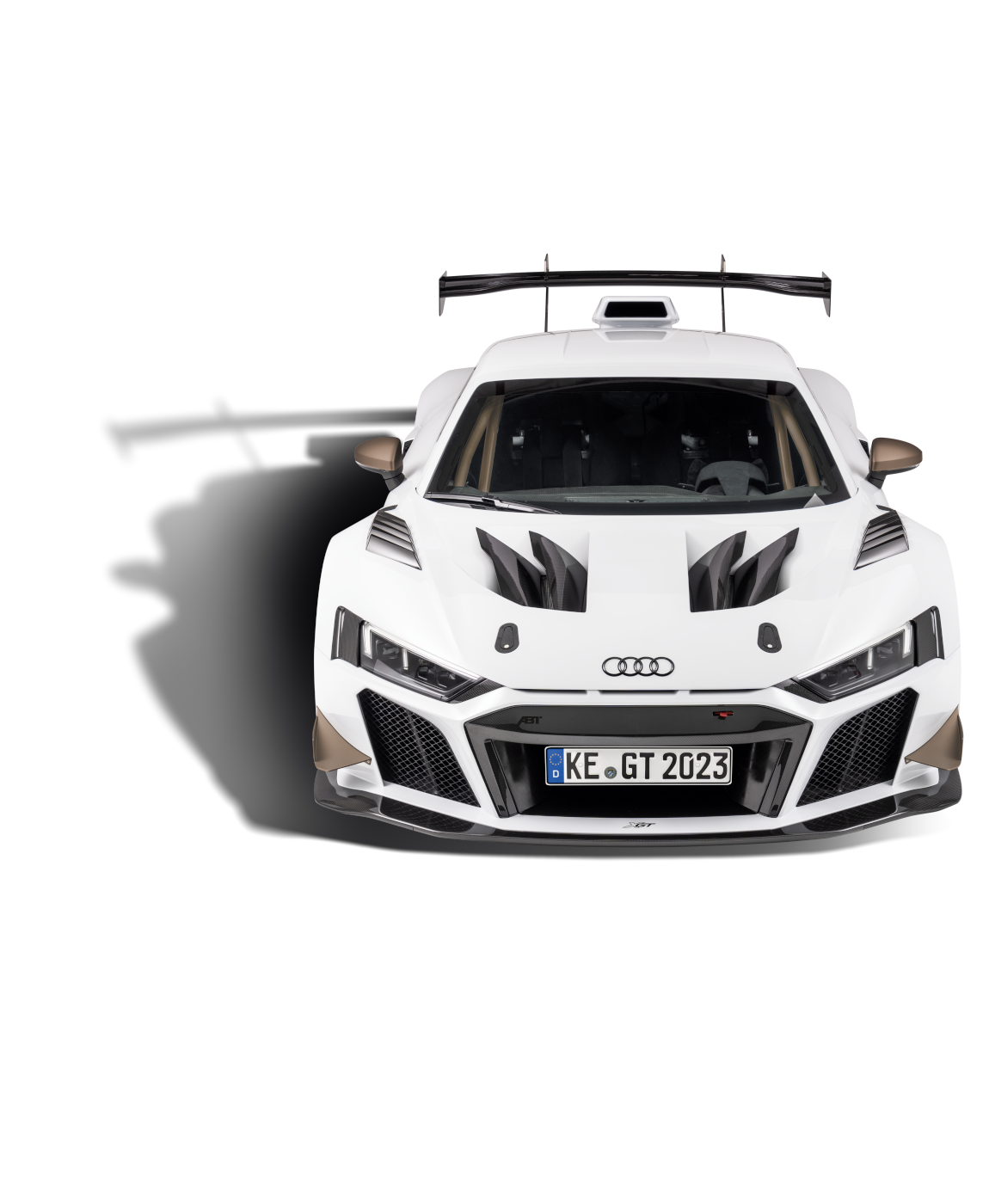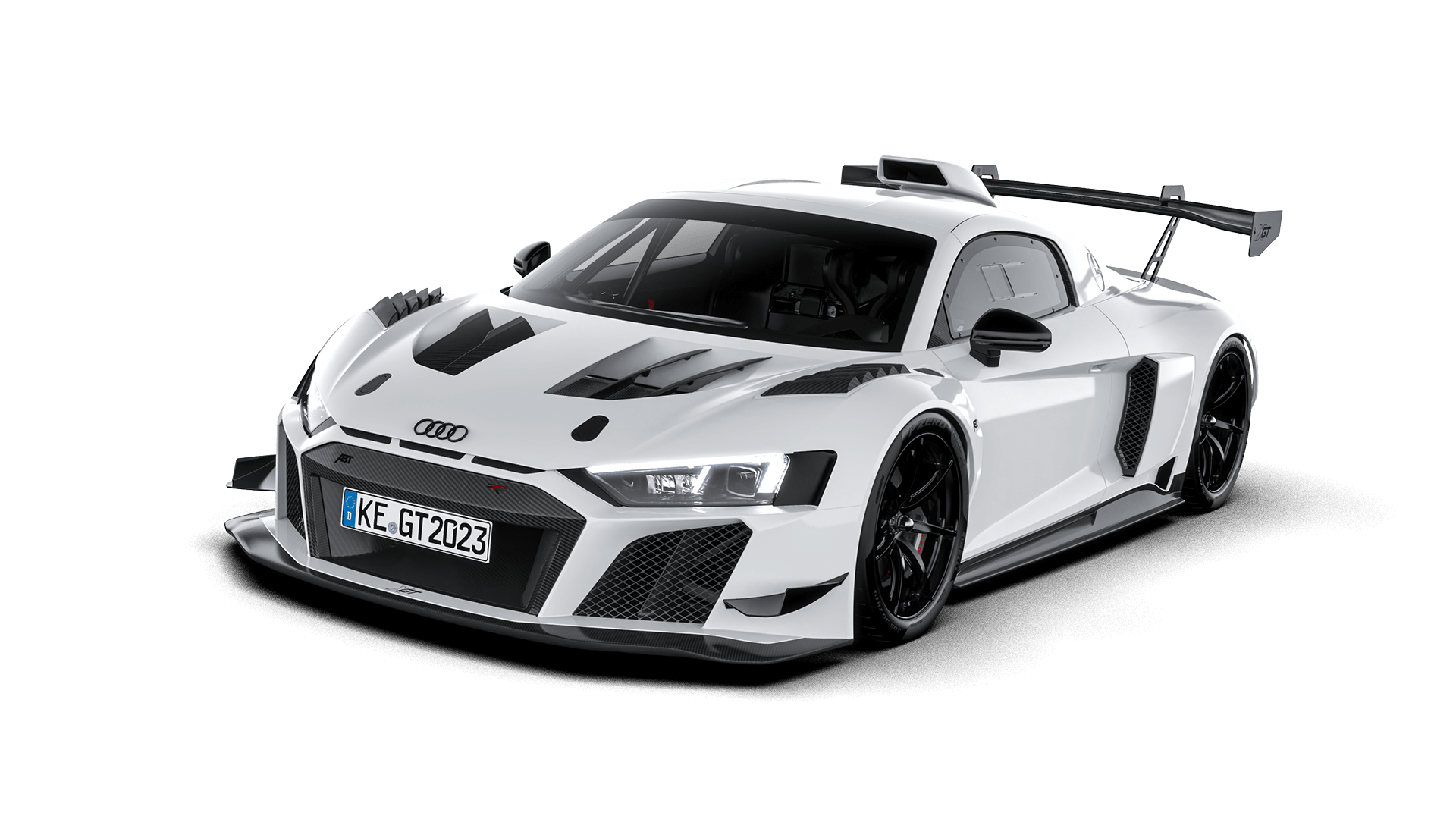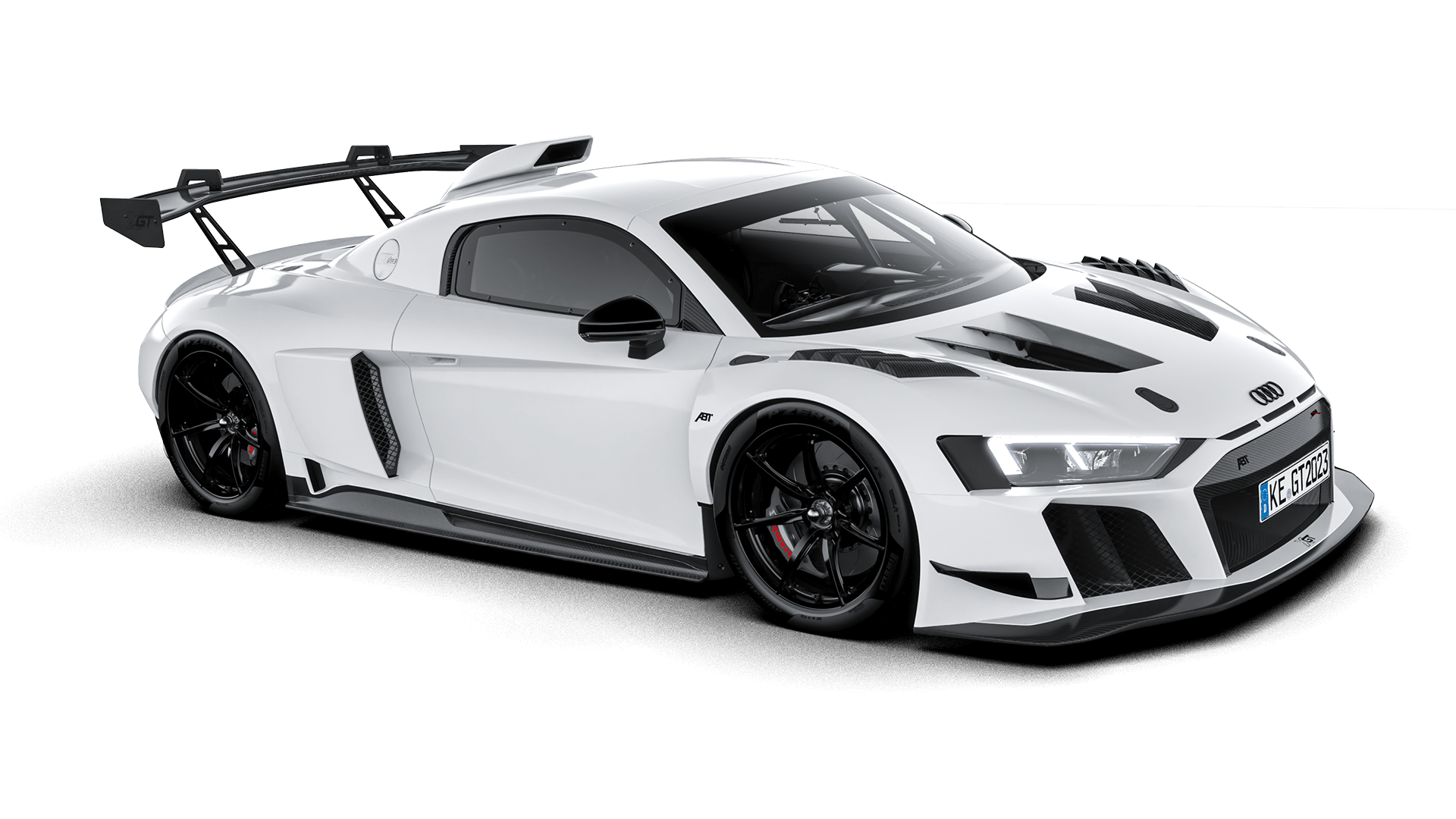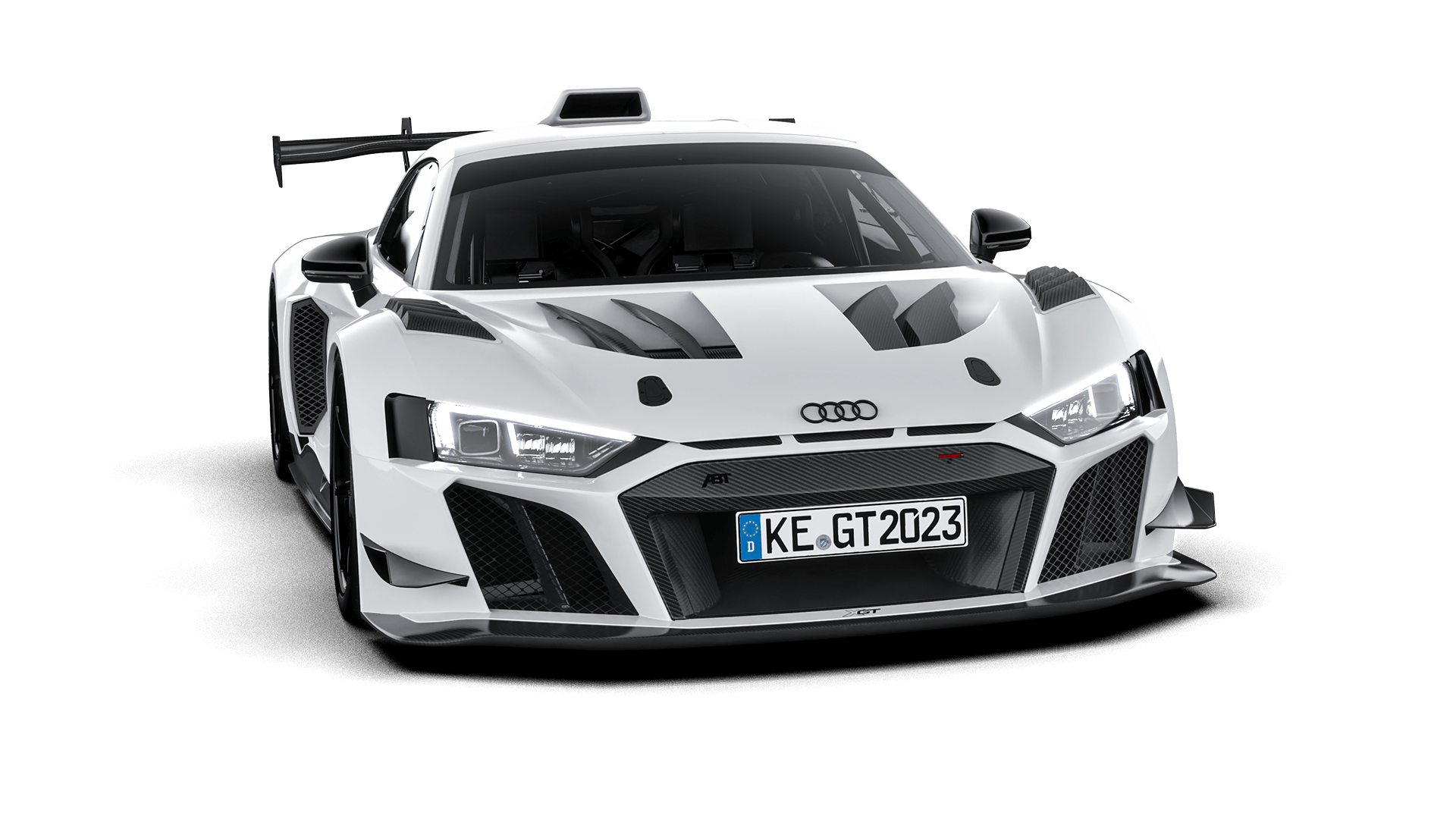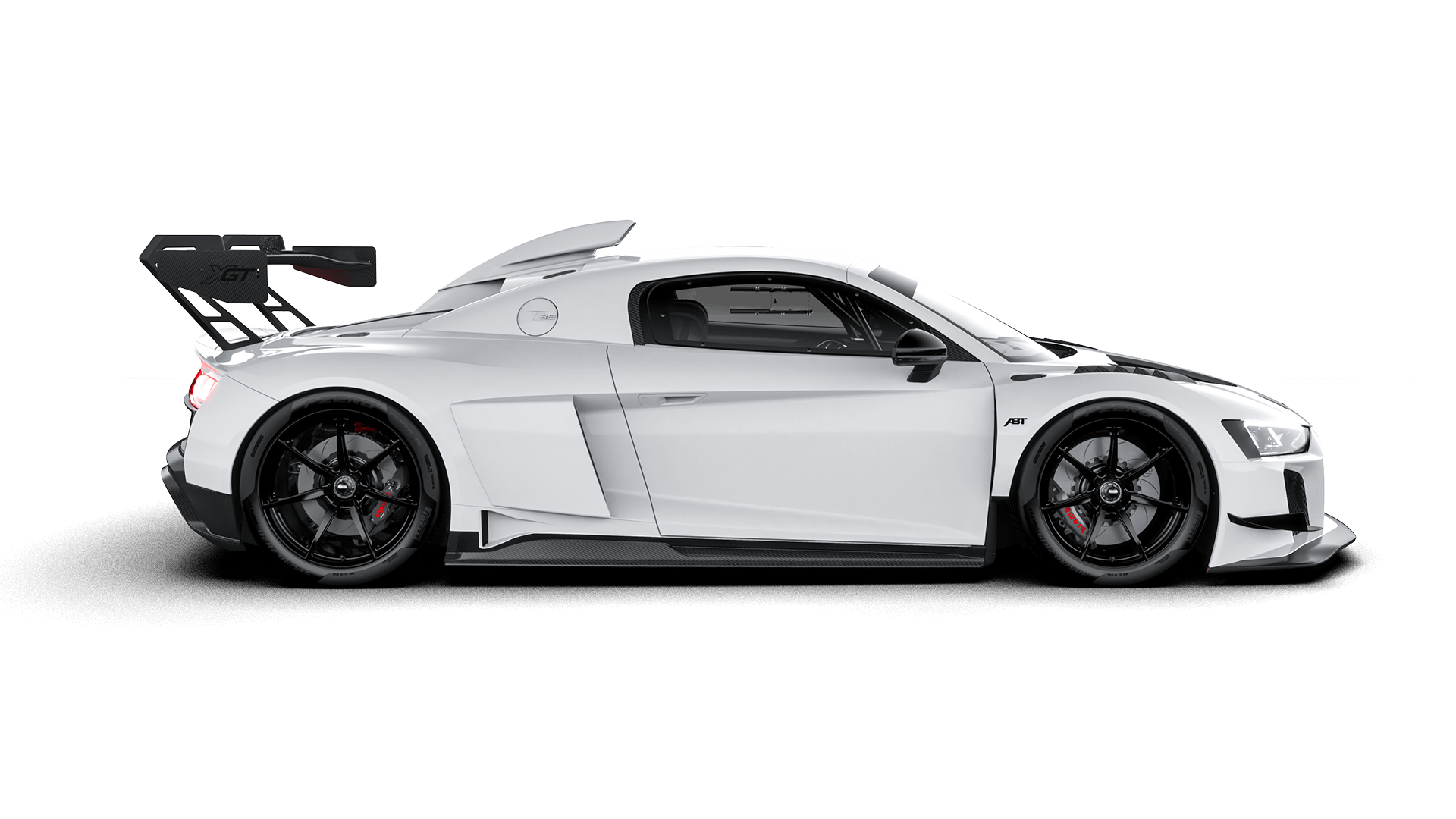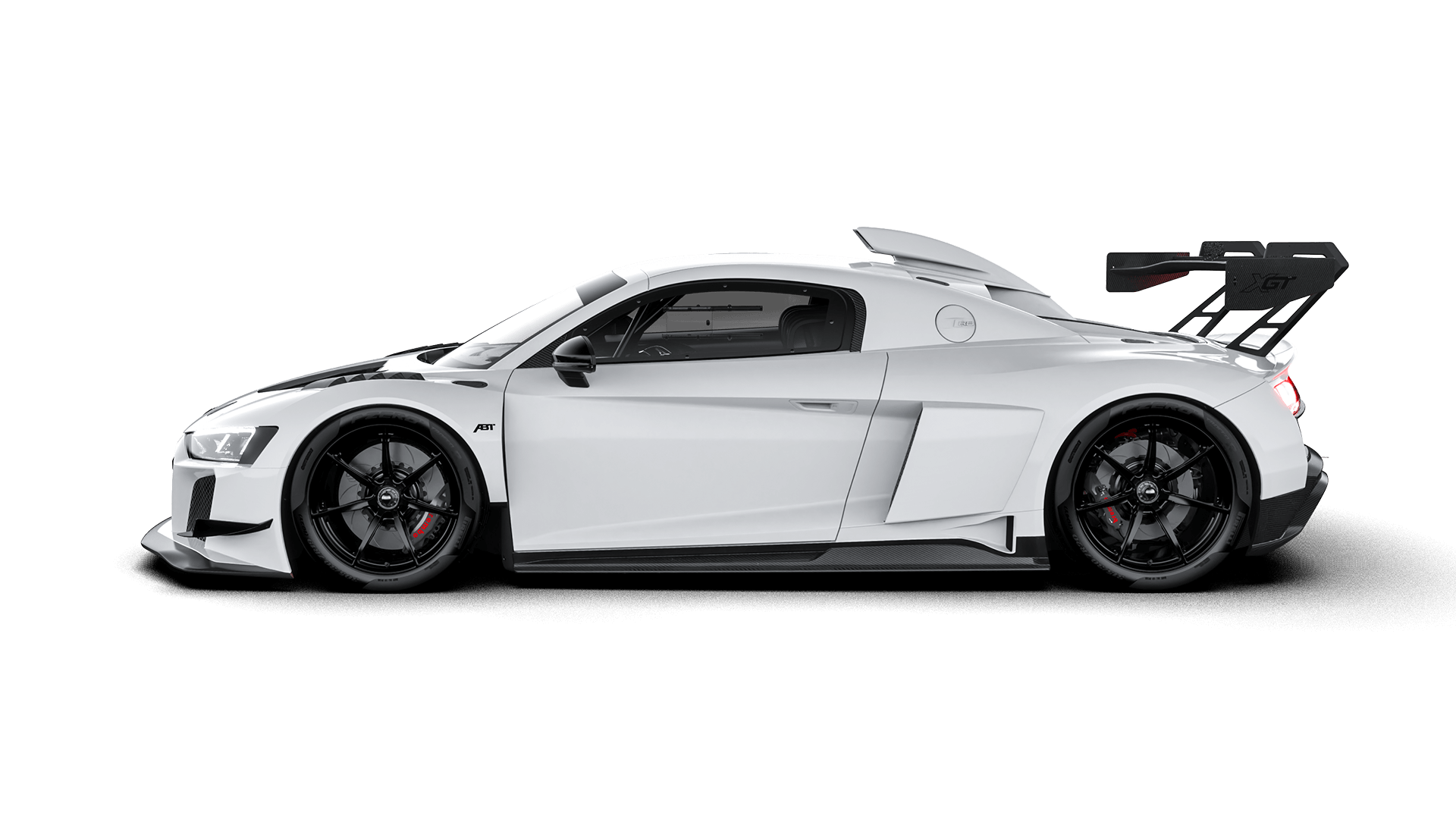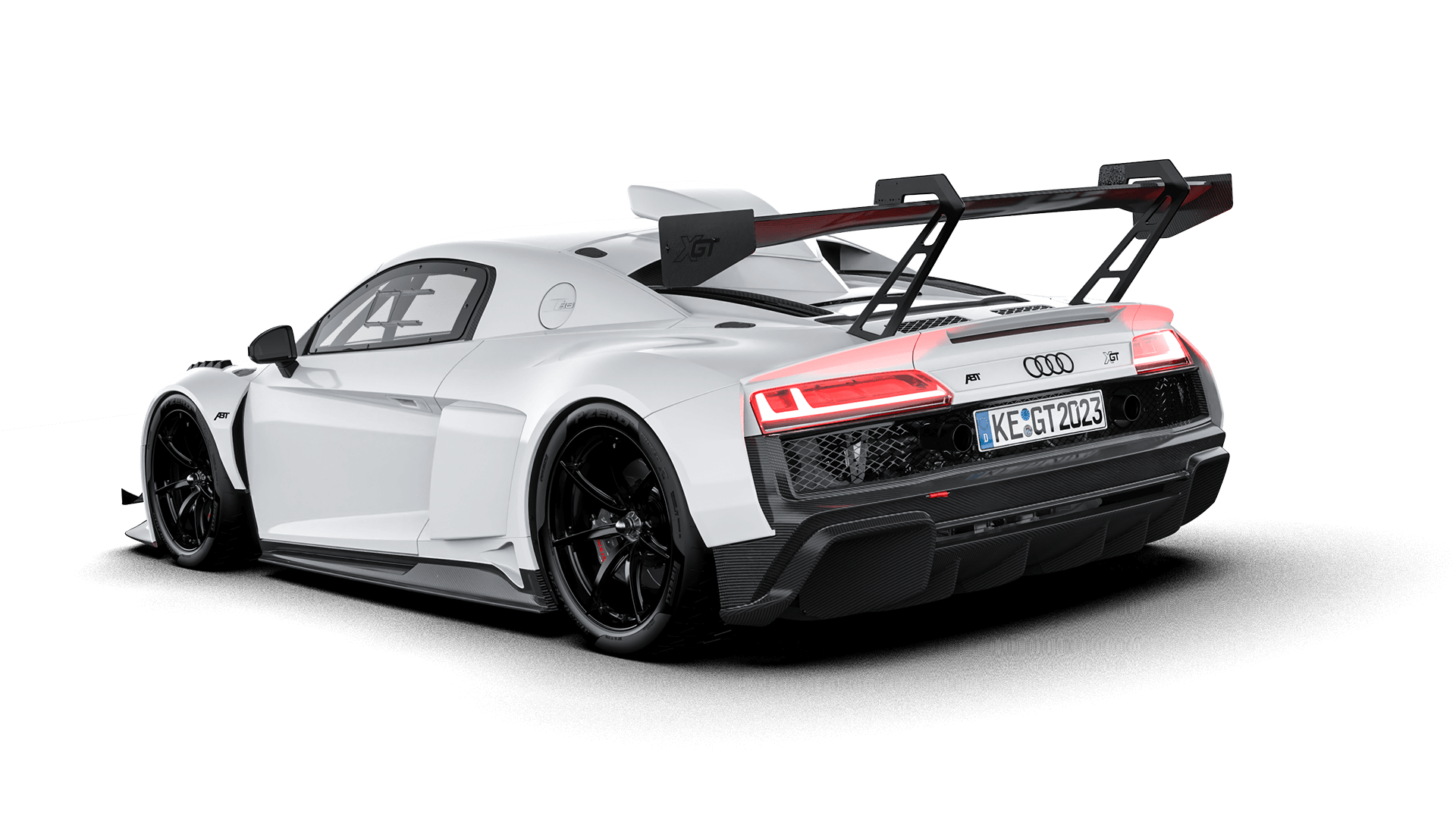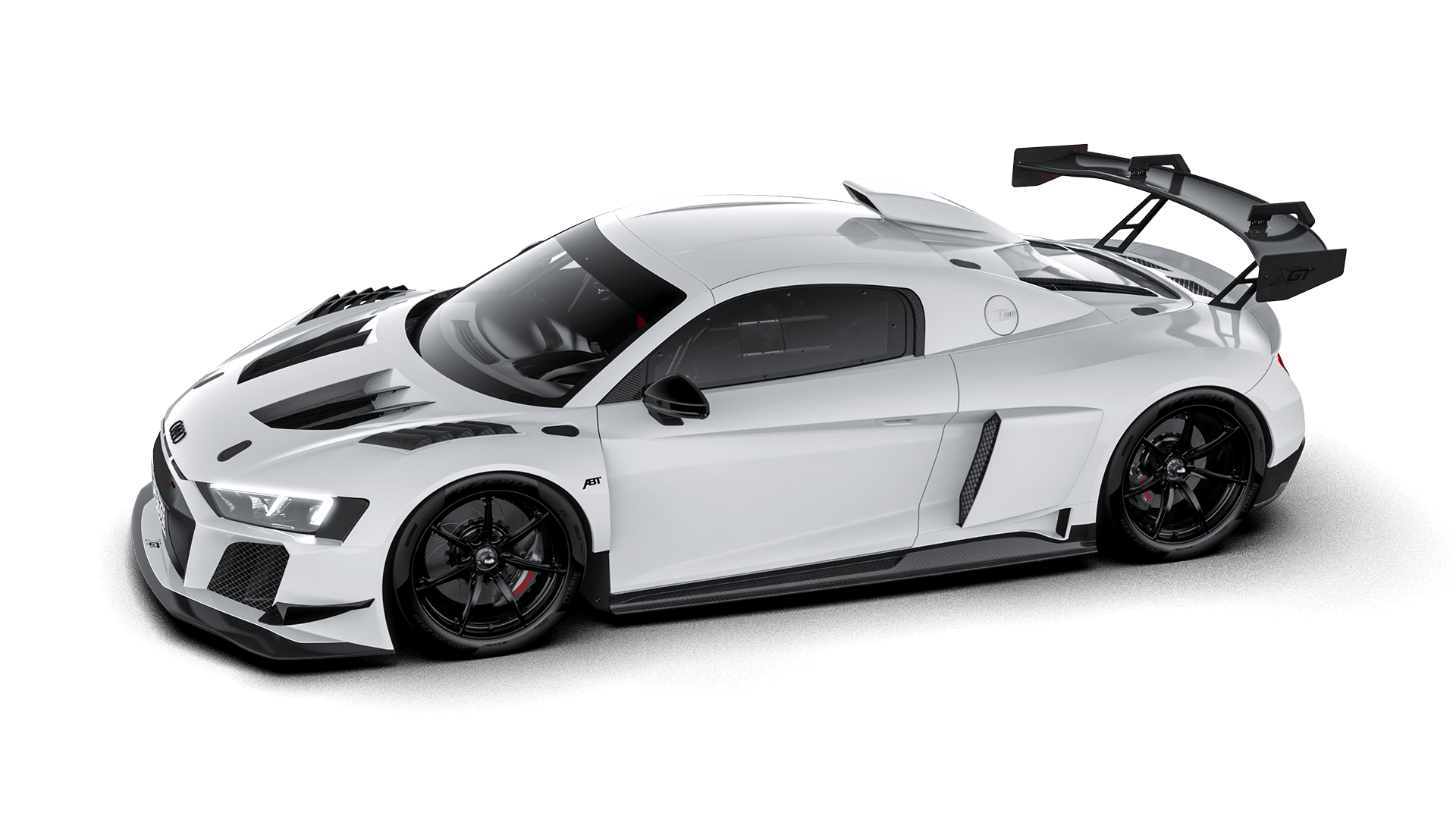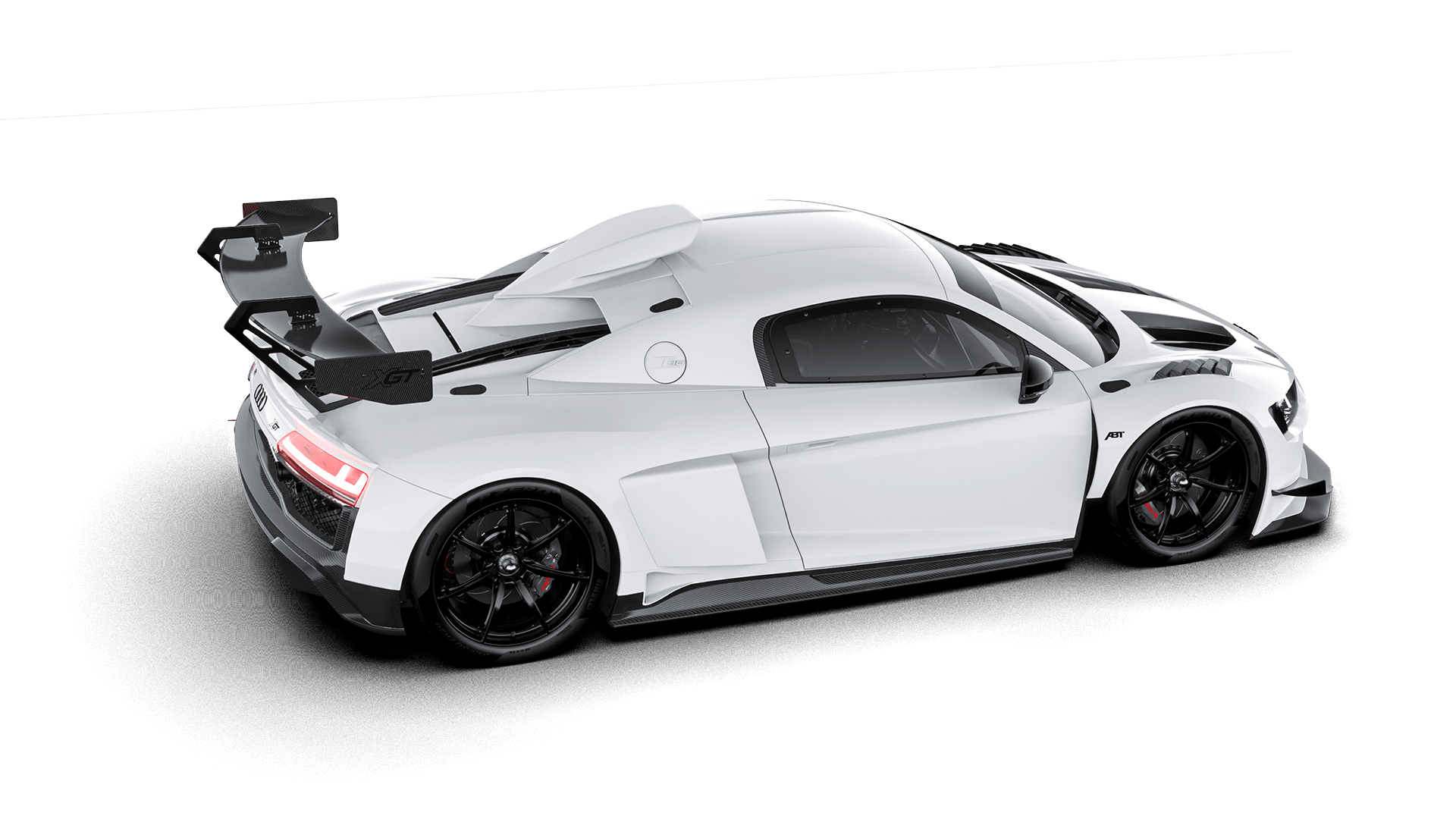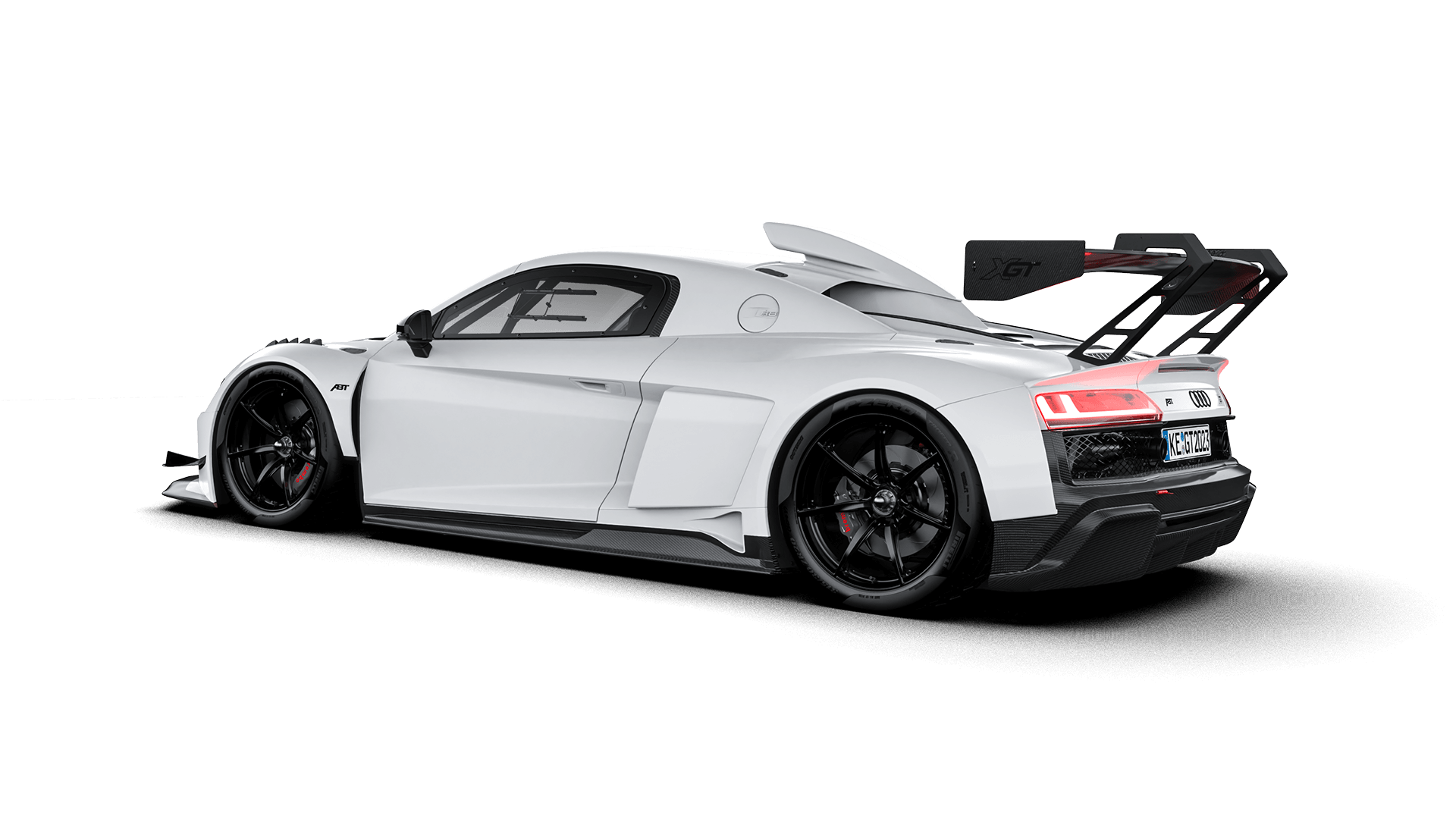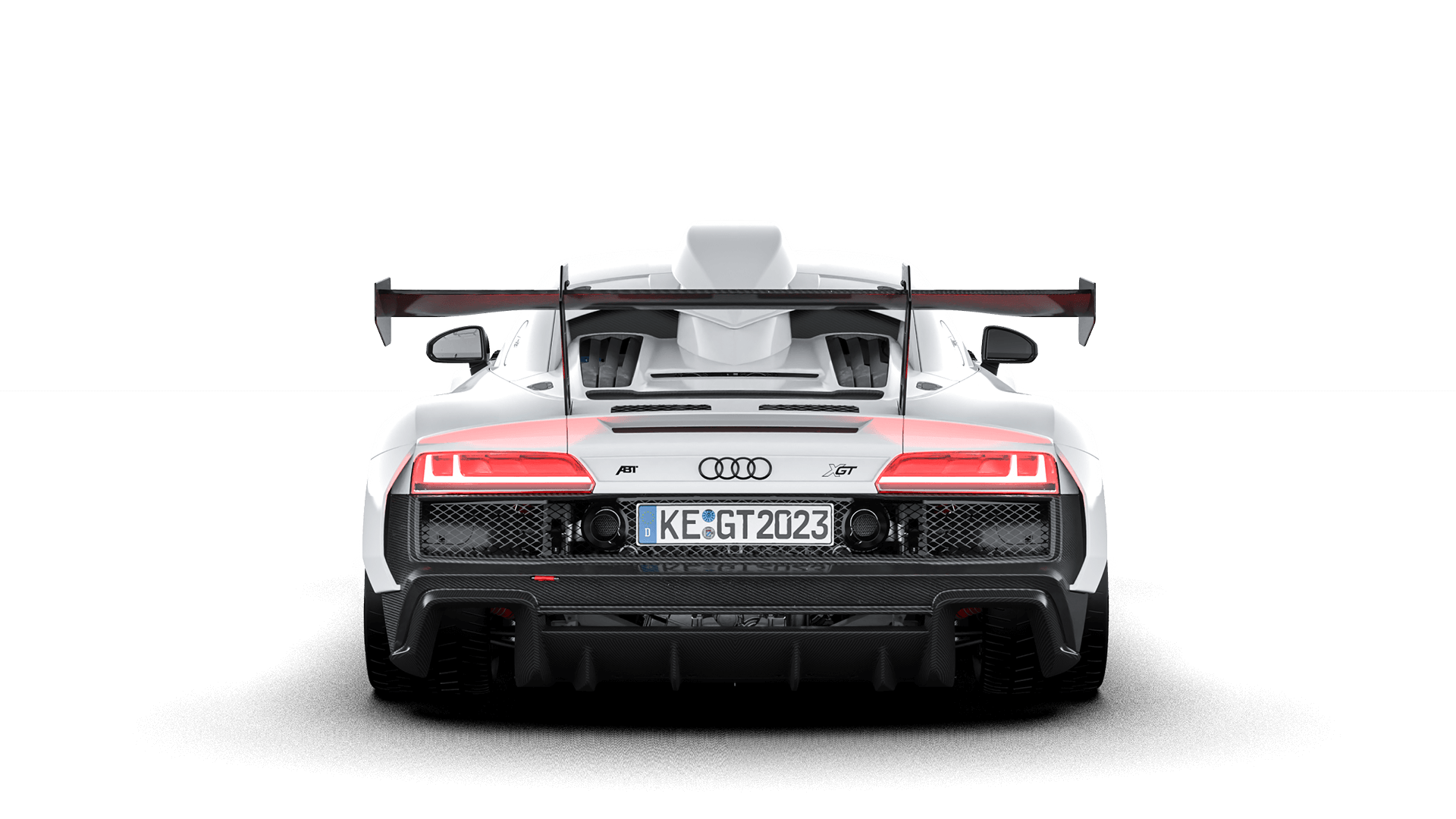
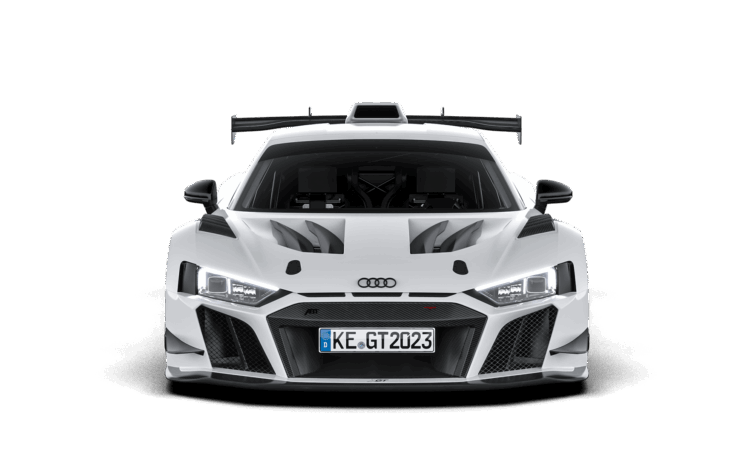
ABT built the XGT around the Audi R8 LMS GT2 and fixed production at 99 cars. Two development years stand behind the project, together with Scherer Sport, after work aimed at moving race-focused engineering onto public roads under road approval rules. ABT describes the core idea with one short line, “From the racetrack to the road”.
A naturally aspirated 5.2-liter V10 FSI sits behind the cabin. Output reaches 470 kilowatts, equal to 640 horsepower, while top speed reaches 310 kilometers per hour. Unladen weight stands at 1,400 kilograms. Four valves per cylinder and four overhead camshafts belong to the 5,204 cubic centimeter unit, with peak output arriving at 8,000 revolutions per minute. Fuel use appears at 17.5 litres per 100 kilometres, while combined carbon dioxide output reaches 394 grams per kilometer under WLTP values. Carbon dioxide class stays at G.
The rear-wheel drive layout stays in place, paired with a seven-speed S-tronic gearbox and paddle shift control. ABT also fits race suspension with specially manufactured springs. Two adjustment levels serve chassis setup. Steering, acceleration, exterior response, road holding, every area follows race-car priorities rather than road-car comfort.
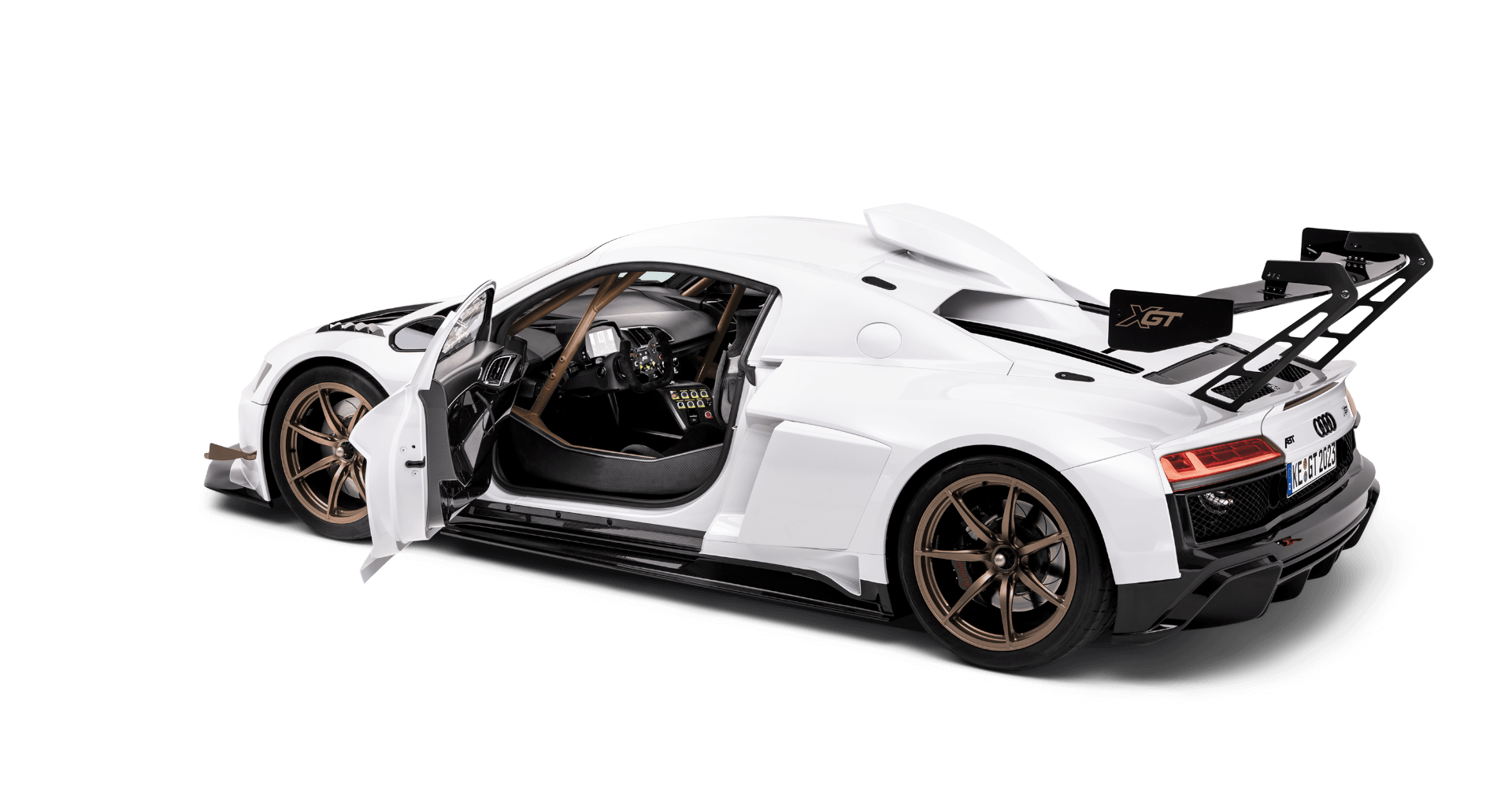
The cockpit keeps a narrow layout close to the race donor. A race steering wheel appears inside, made specifically for the race version and transferred here as part of the road-approved package. A race display shows tyre pressure, speed, fuel consumption, gear selection, transmission data, engine oil figures, plus cooling water temperature. The central console carries a main switch and handbrake, details chosen to keep the interior close to circuit use.
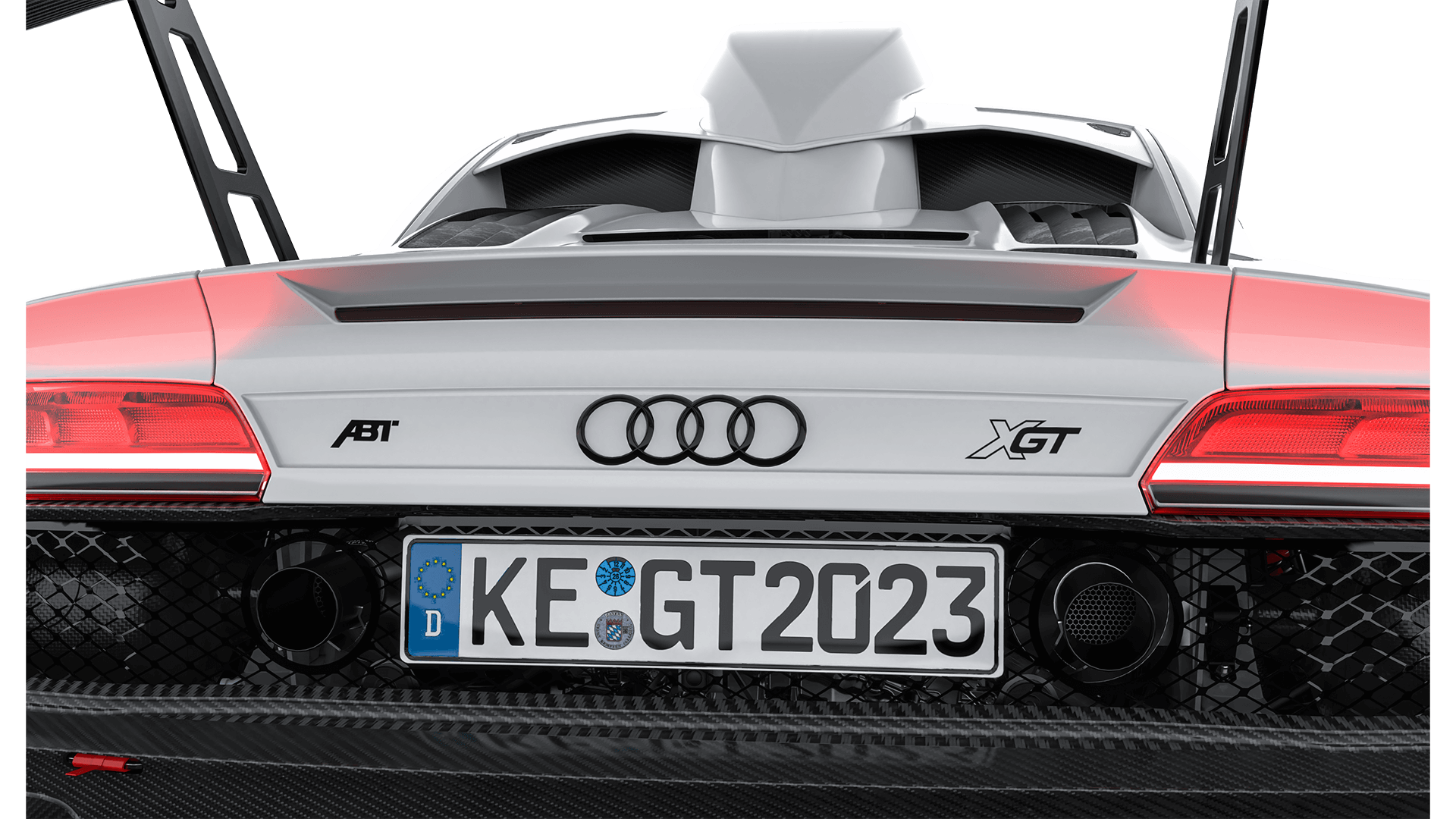
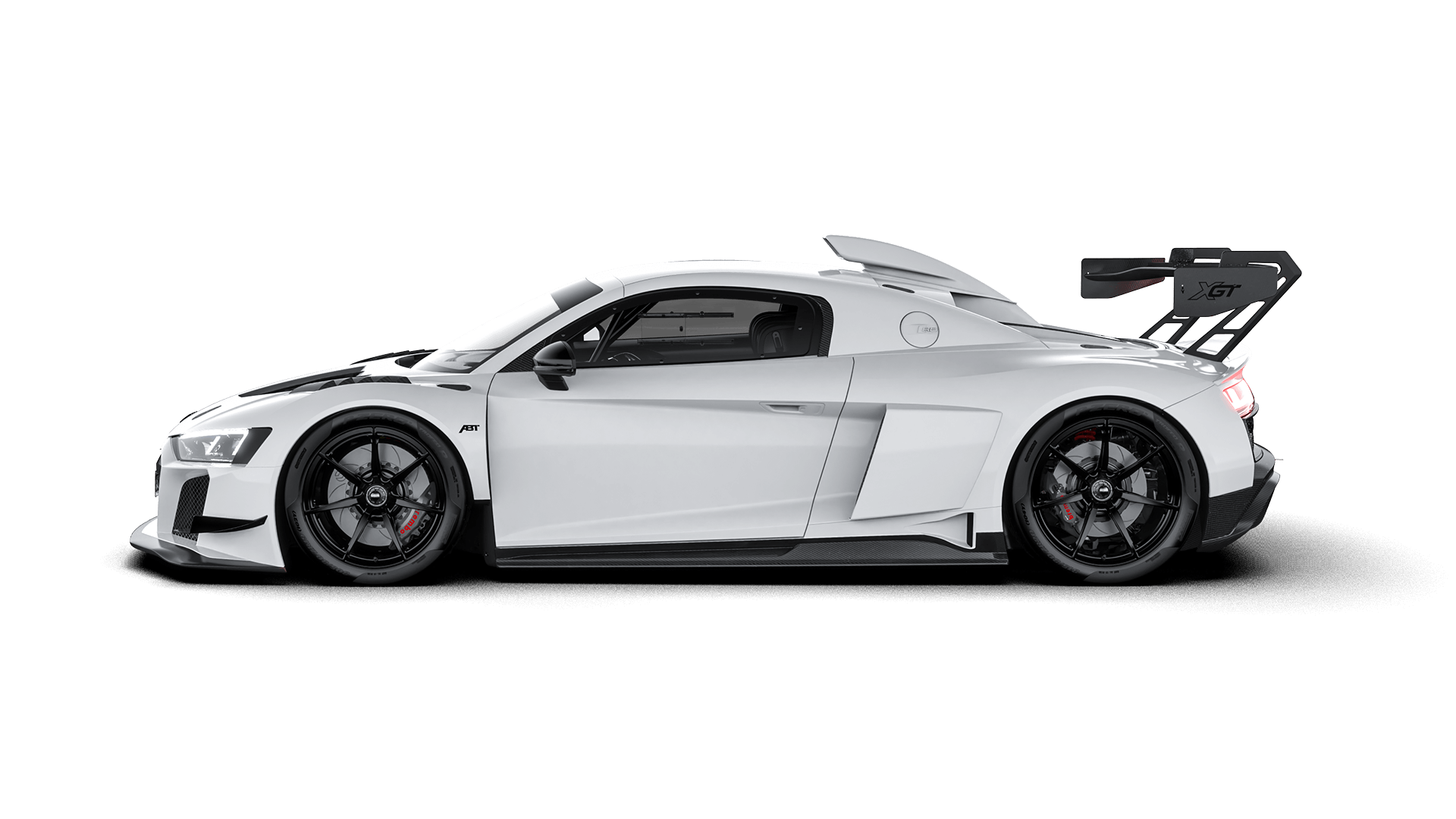
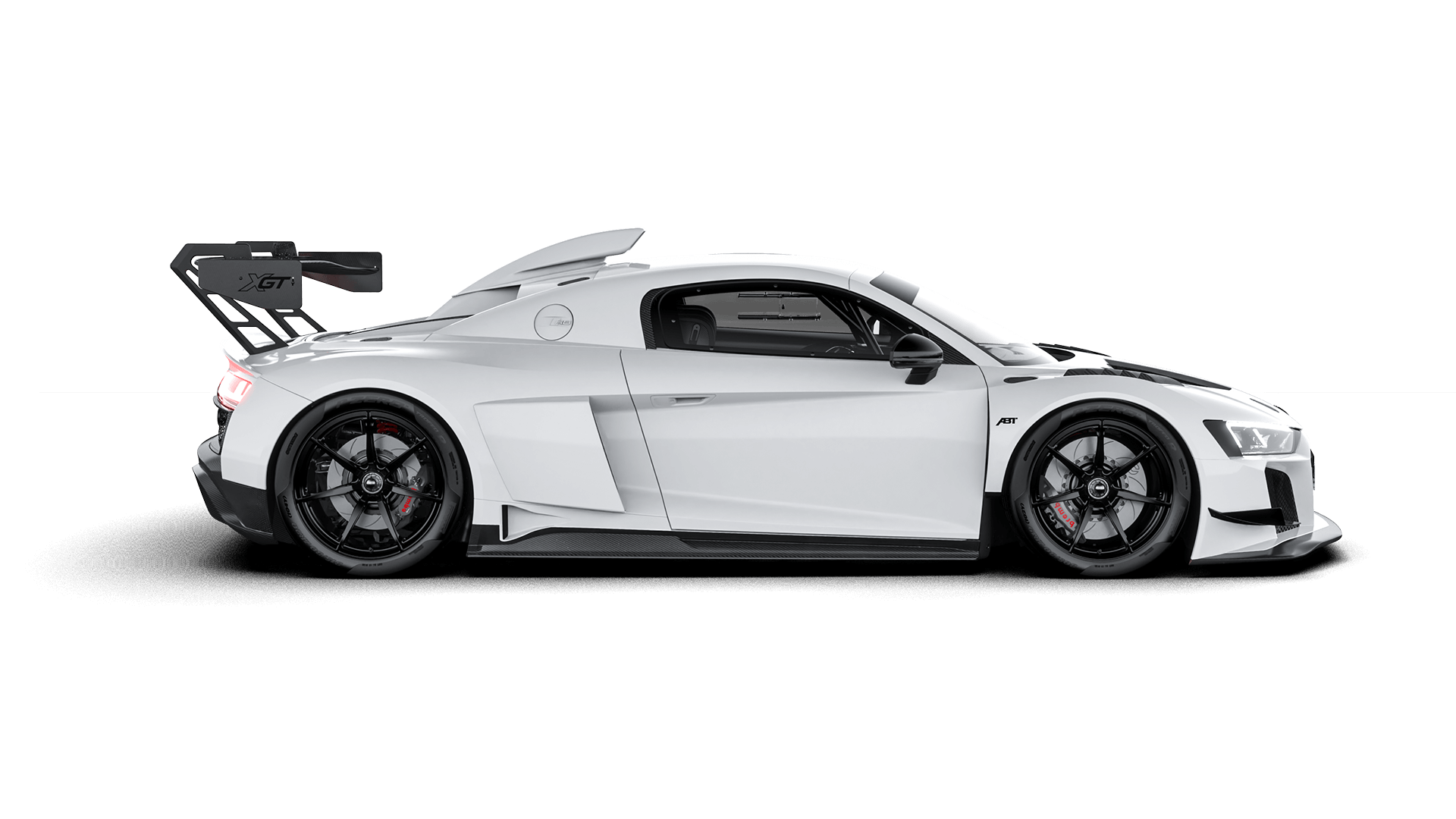
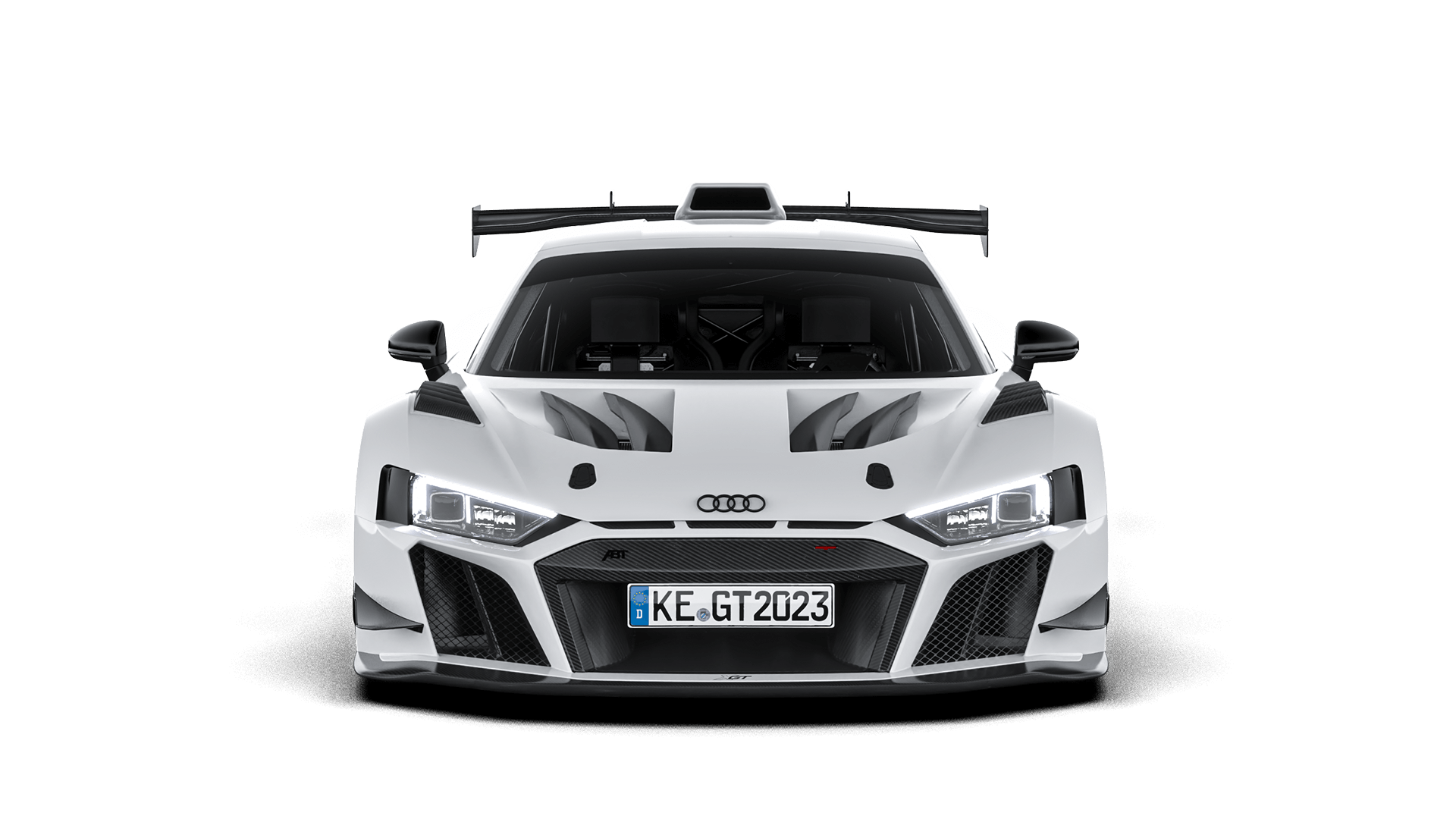
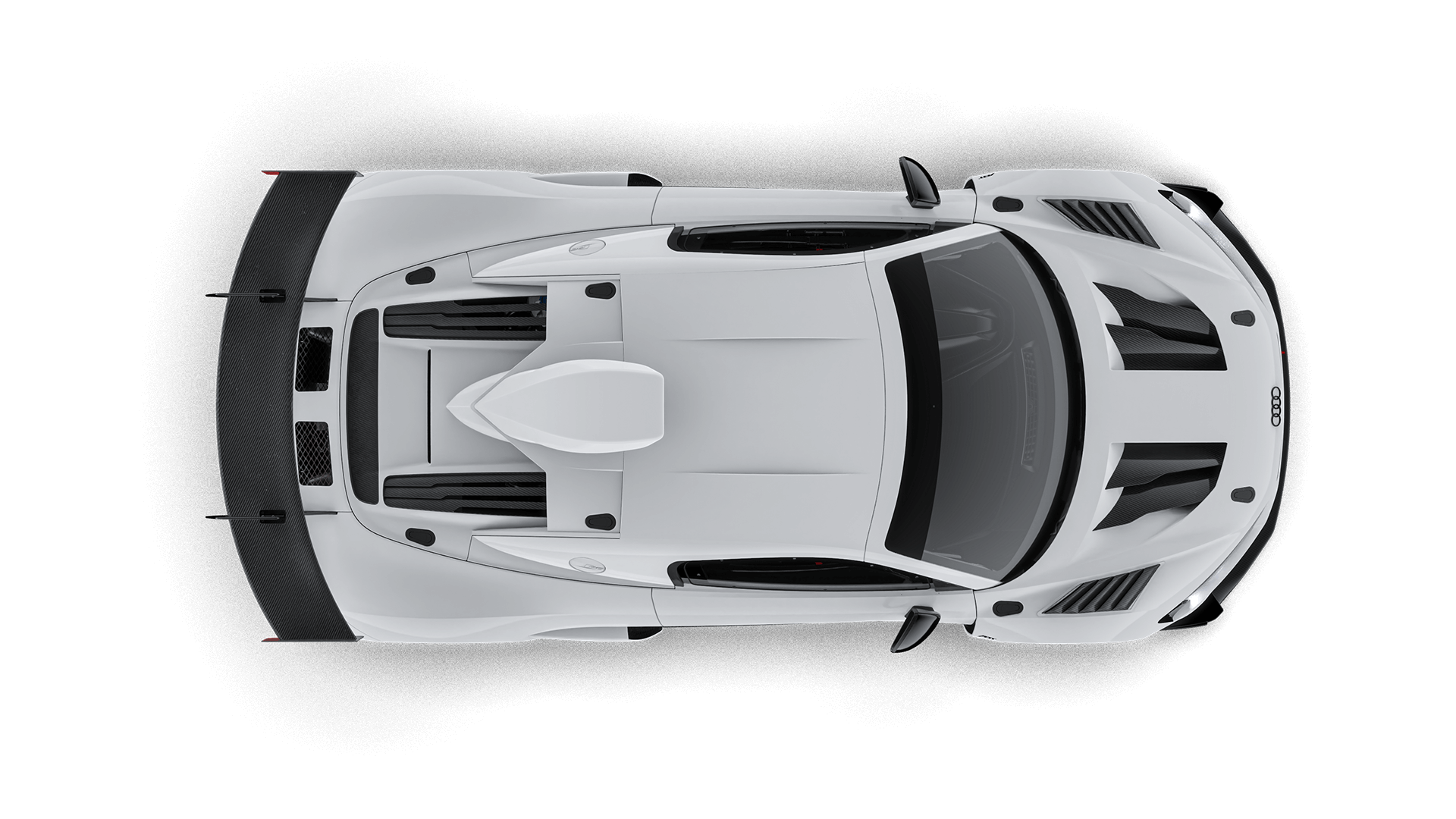
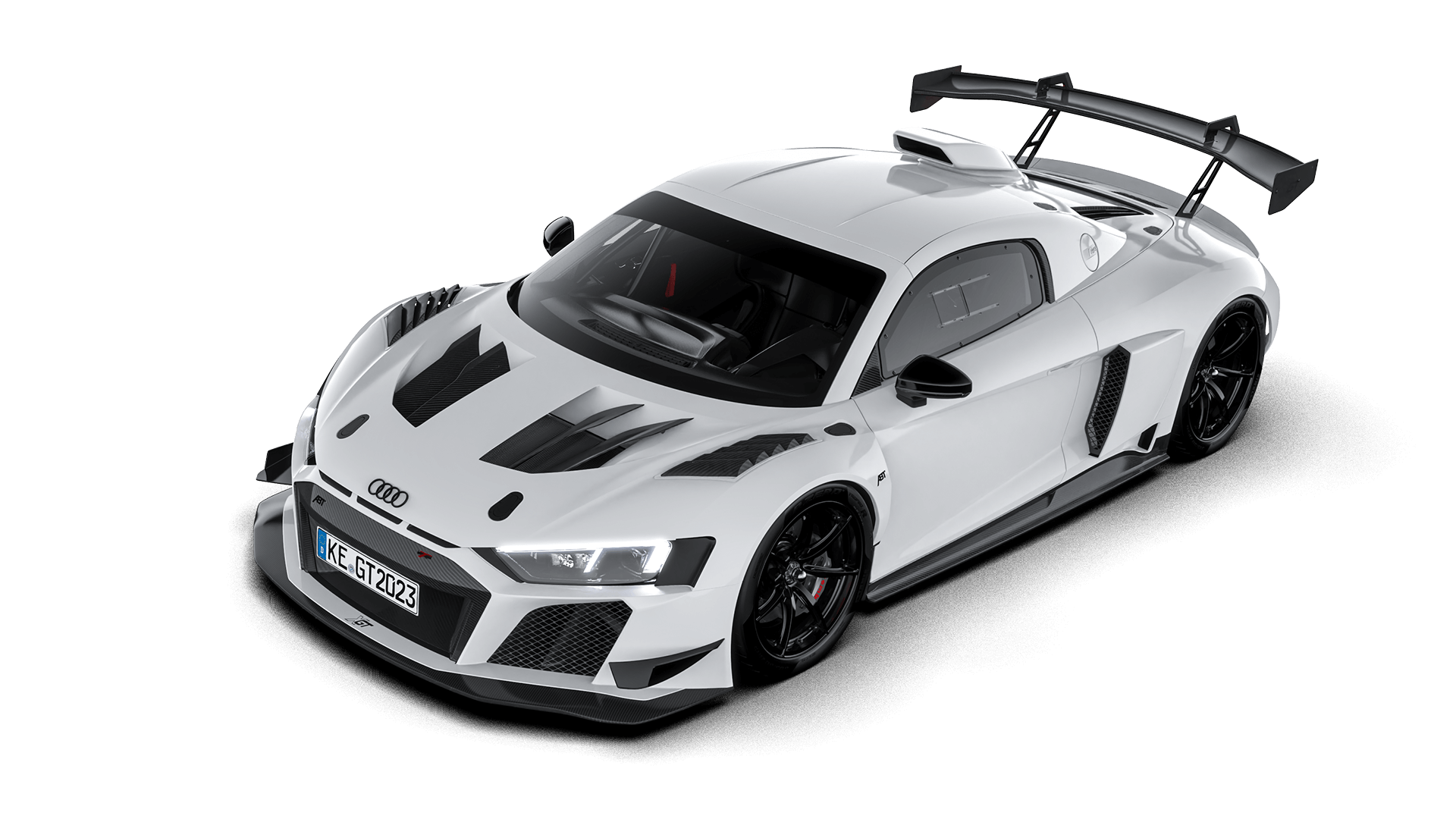
Exterior surfaces follow the same direction. A roof air scoop rises above the cabin, side blades stretch outward, and curved fenders frame the body. ABT also points to slim proportions around the cabin. Start-up changes the whole mood, because the V10 sound receives special attention in the project description.
Testing covered public road work first, then several German circuits. Nürburgring Nordschleife, Sachsenring, and Hockenheimring all formed part of the validation route. ABT named DTM drivers Kevin van der Linde and Ricardo Feller among development drivers. ABT Motorsport Director Martin Tomczyk and Frank Stippler joined the same process.
ABT links the full concept directly to racing history, noting more than 300 DTM races over two decades, more than 250 podium finishes, several individual victories, plus driver and constructor titles. Within that background, the XGT stands apart because road registration joins a hand-built production run. No broad-volume target appears here. Ninety-nine units mark the full number, and each example follows the same narrow brief from first sketch to final assembly.
Audi R8 XGT by ABT – Photo Gallery